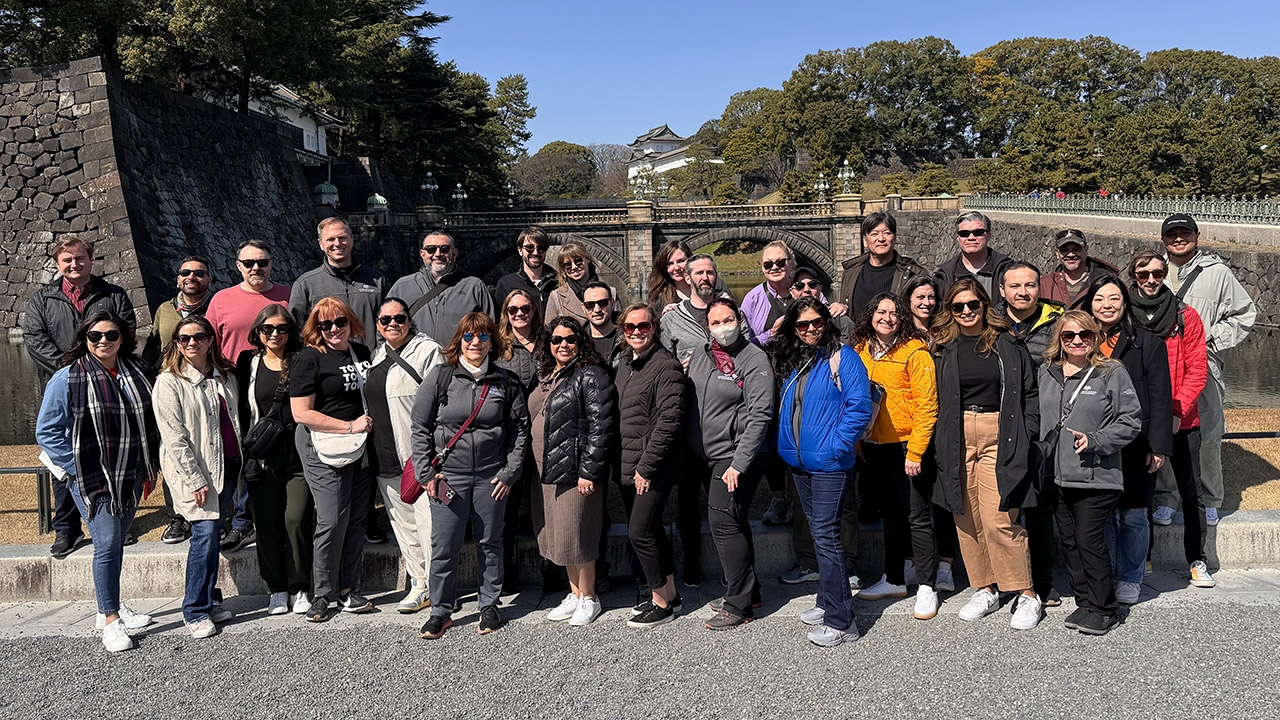
The Office of Management and Budget announced it would be combining race and ethnicity questions on all Federal forms, but one UNM scholar says the change could impact the ability to research and understand equity issues ranging from poverty to housing...
Crestencia Pihlaja, a 2L at The University of New Mexico School of Law, earned second place for Best Oral Argument at the Hispanic National Bar Association moot court competition in Seattle, Wash. in March. Damon Nieto and Crestencia Pihlaja Pihlaja...
Erinna “Erin” Atkins, a 2009 graduate of the University of New Mexico School of Law, took office in January as the President of the State Bar of New Mexico. Even now as she leads the State Bar of New Mexico, she still considers it an immense privilege to...
The first ever Child Language Acquisition Symposium for Indigenous Communities (CLASIC) takes place on May 17 and 18 at UNM. CLASIC will be held at the Hibben Center by UNM’s Indigenous Child Language Research Center (ICLRC), as part of the Department...
The University of New Mexico School of Architecture + Planning (SA+P) and the Thornburg Foundation announce the 2024 Jeff Harnar Awards winners. Garrett Thornburg created these awards in 2007 to honor the legacy of the late local architect Jeff Harnar...
The 14th annual Sustainability Expo, a hub of activities and learning opportunities, is set for Thursday, April 25 from 10:30 a.m. to 2:30 p.m. at Cornell Mall. This Earth Day-inspired event will feature a tribute to local farmers, along with prepared...
Each year, the Division of Student Affairs honors some of their own through though the annual Louie Awards. This year, nominations are currently being accepted here through Monday, April 22 in the following categories: UNM Faculty Leader of the...
The University of New Mexico's Department of Human Resources provides an annual Open Enrollment period for benefits giving employees the opportunity to enroll in, cancel or make changes to medical, dental, vision, life, accidental death and...
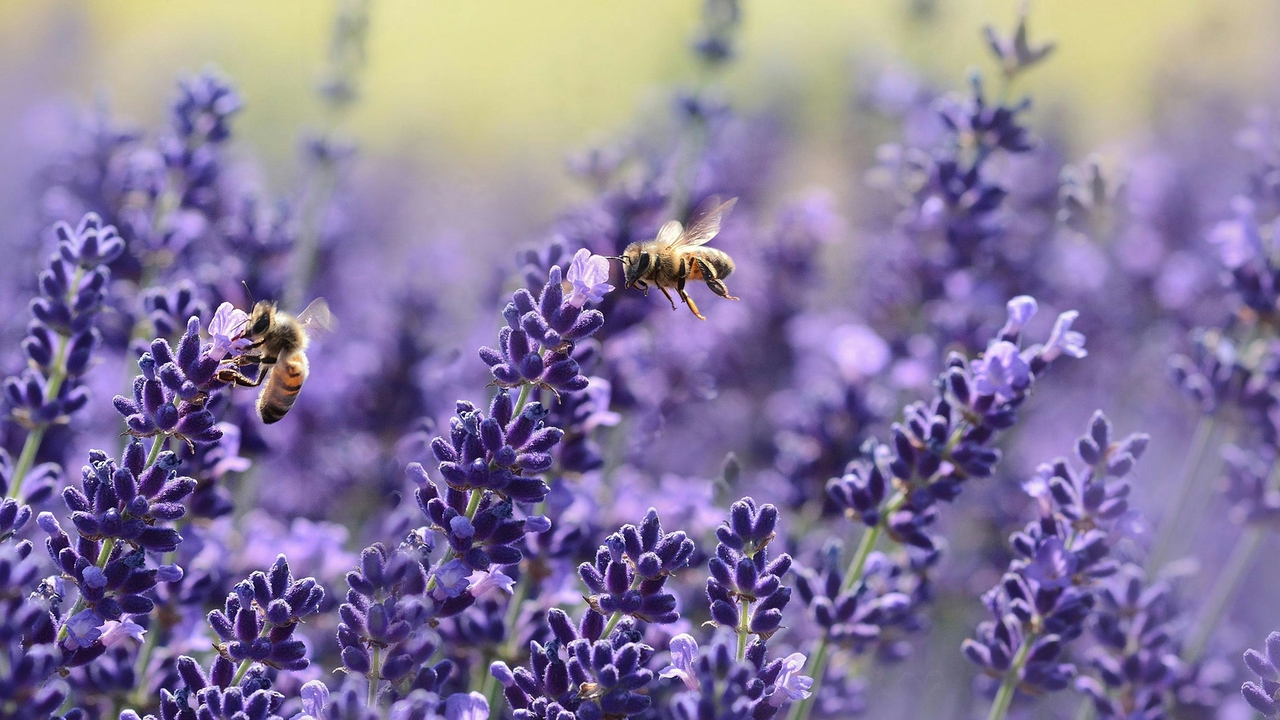
New research published by The University of New Mexico alumnus Melanie Kazenel and colleagues predicts climate change will reshape bee communities in the southwest United States, with some thriving and others declining. The research, titled Heat and...
The University of New Mexico will be closed for Winter Break beginning Friday, Dec. 22 through Monday, Jan. 1, 2024. UNM wishes one and all a safe and happy holiday season!
This year a new balloon can be spotted in the sky, 'Cherry On Top,' the official University of New Mexico hot air balloon. UNM and Rainbow Ryders, Inc. revealed the new UNM hot air balloon ahead of the Albuquerque International Balloon Fiesta as 'Cherry On Top' made its first public appearance on Johnson Field.
A “Tribute to Mother Earth” was created by Youn Ja to honor all grandmothers, especially Mother Earth. The shrine was dedicated on January 12, 1992, the anniversary of Ja’s own grandmother’s death in honor of Mother Earth.
News Minute
Submit A Story
Do you have a suggestion for a story that illustrates excellence at UNM?