I teach highly interactive and interdisciplinary courses that engage students in critical, creative, and experiential exploration. My goal is to help students wrangle with course concepts in personally relevant ways and to apply their learning to understanding, questioning, and transforming their lives at personal, societal, and ecological scales.
Experience:
I've taught a wide range of courses at diverse institutions of higher education, including the University of New Mexico; University of Washington; Portland State University; John Cabot University in Rome, Italy; and University of Colorado at Denver's International College in Beijing, China. I also facilitate pedagogy-focused workshops at universities and colleges around the world.
Awards:
- Presidential Teaching Fellow. Lifetime achievement award/permanent title at University of New Mexico. 2015-2017. Radio coverage of acceptance speech here. Newspaper story here.
- Outstanding Teacher of the Year. University of New Mexico. 2011.
Sample Courses:
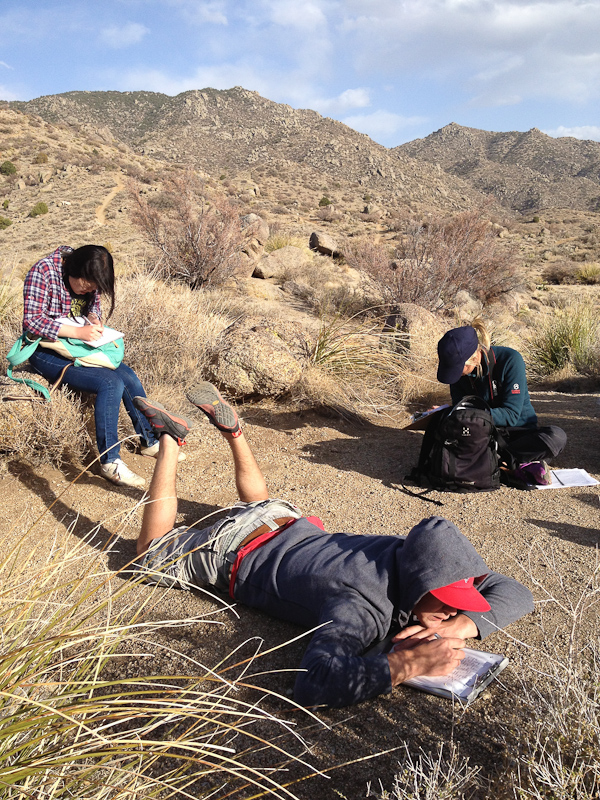
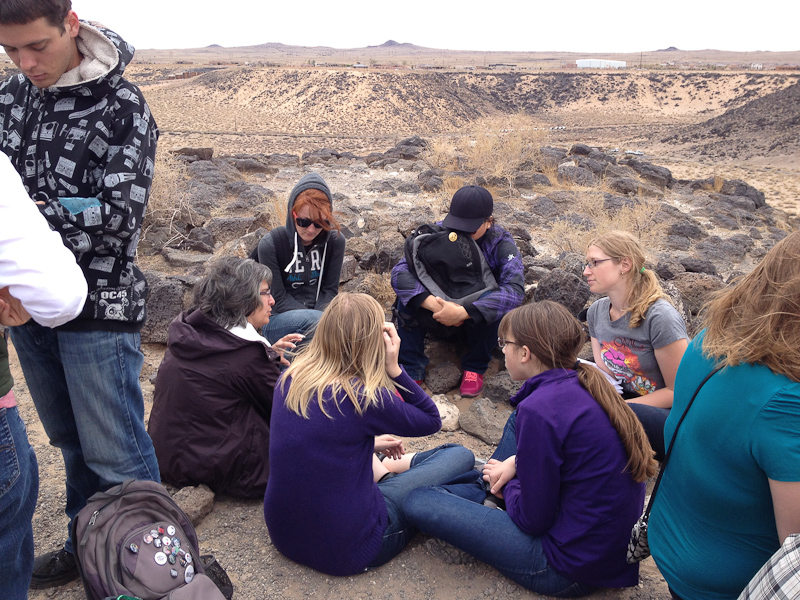
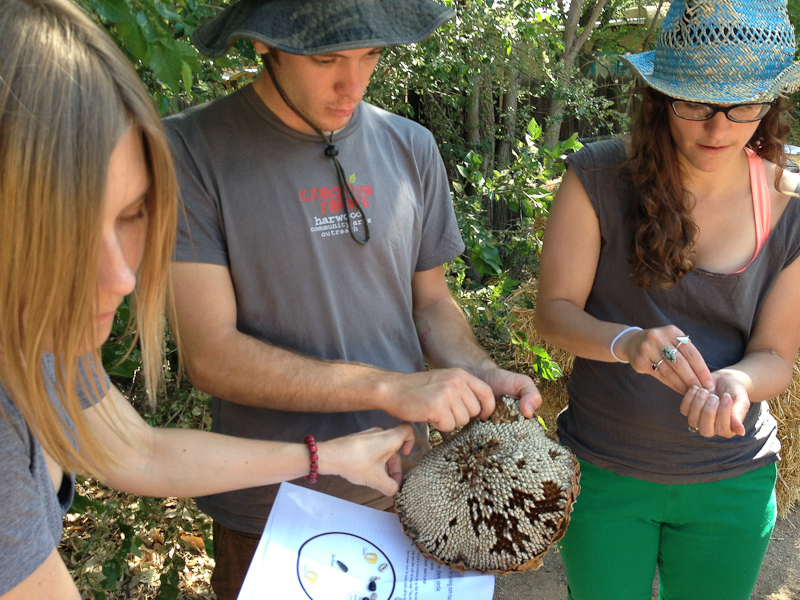
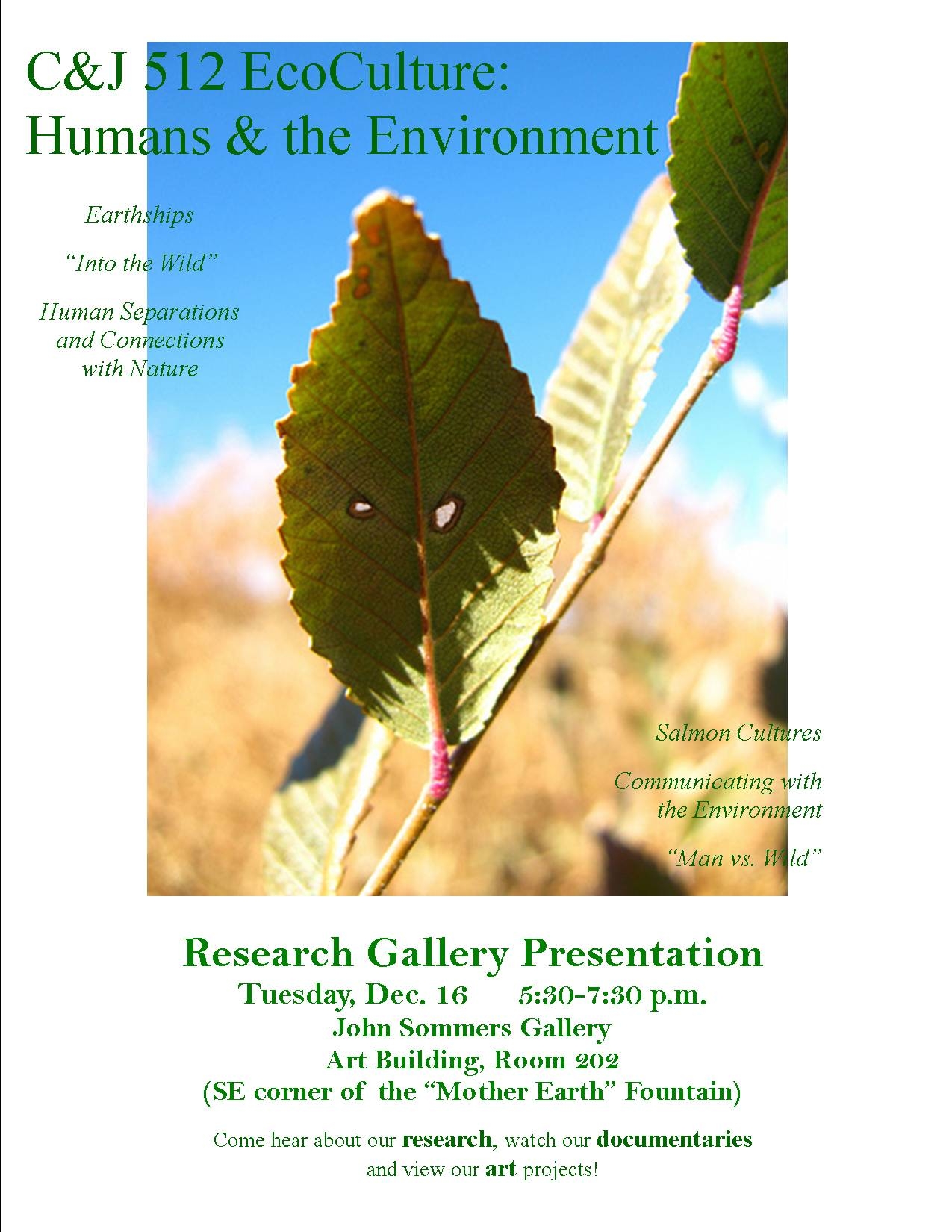
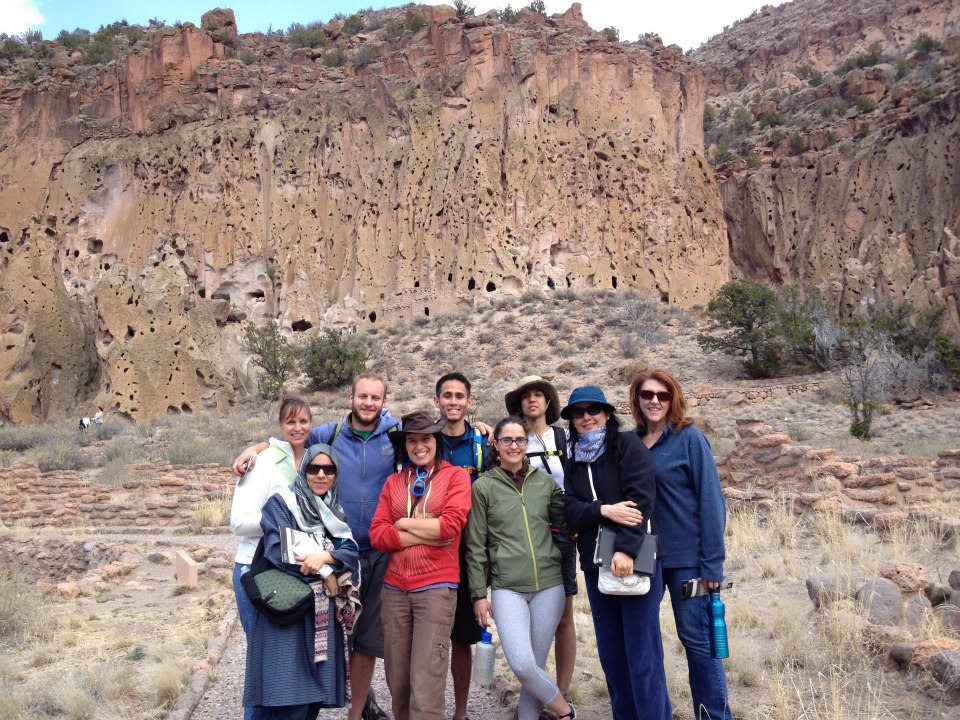
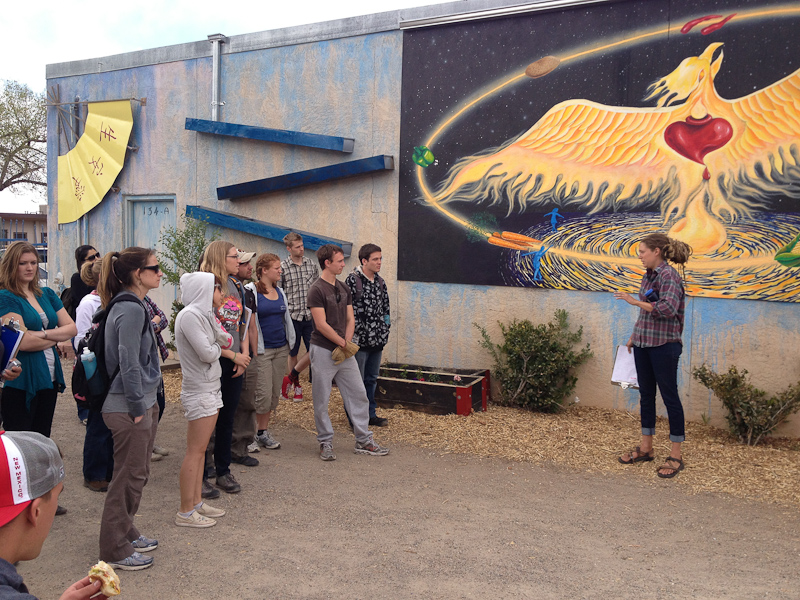
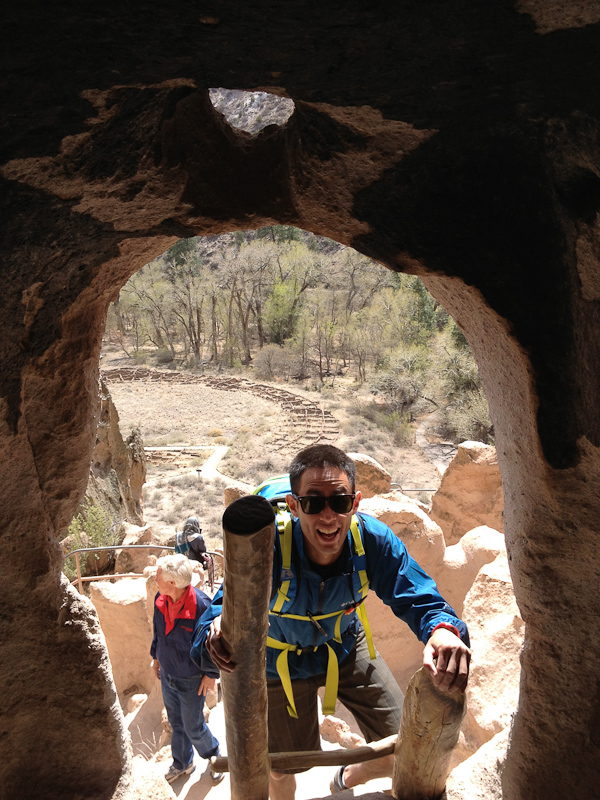
Ecoculture: Culture, Sustainability, and Change – Graduate course examining cultural and discursive ways humanity informs, shapes, and shifts environmental relations. For one student's video of our 2015 field study in northern New Mexico, go here. For another's photos of a previous class, go here. Seminar culminates in public gallery-style interactive presentations.
Ecocultural Communication – Undergraduate course in which we explore local and global humanature relations as both actively socially constructed and deeply materially experienced. See/join the Ecocultural Communication Facebook public group.
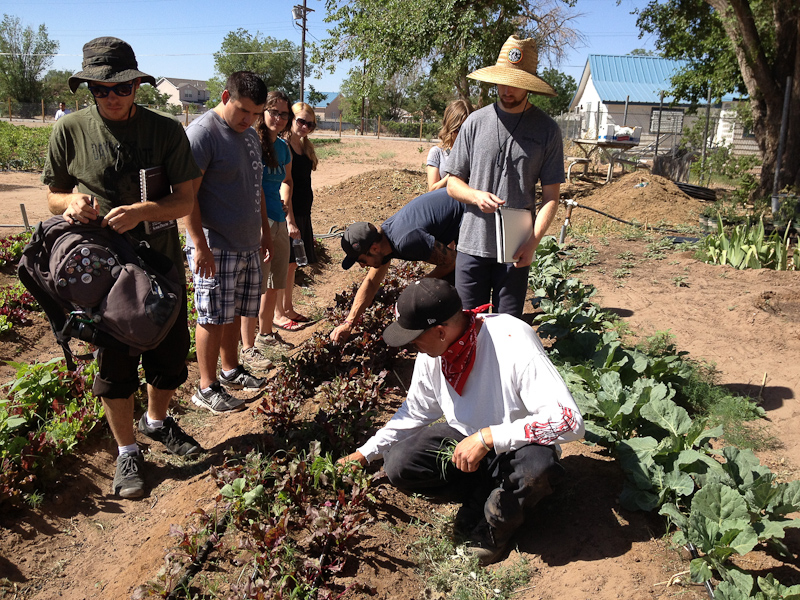
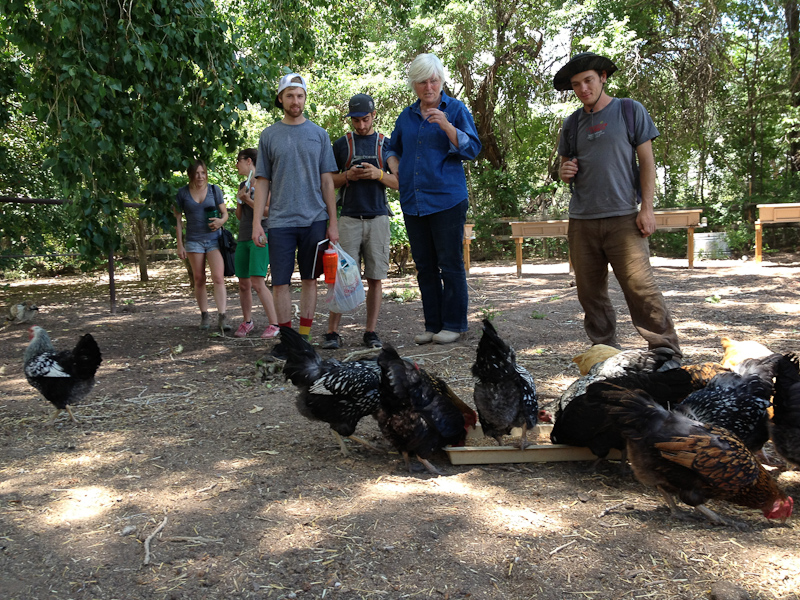
Lobo Gardens – Academically grounded research-service-learning undergraduate/graduate course engaged in nurturing community gardens on and off campus. See Lobo Gardens website and see/join the Facebook community page.
Ecocultural Places & Spaces: Borders & Transformations - Graduate field study course focused on spaces as material-symbolic constructions and issues of cooption, resistance, struggle, and transformation. For a student reflection video on the 2015 course, go here. For student photos of a previous class, go here.
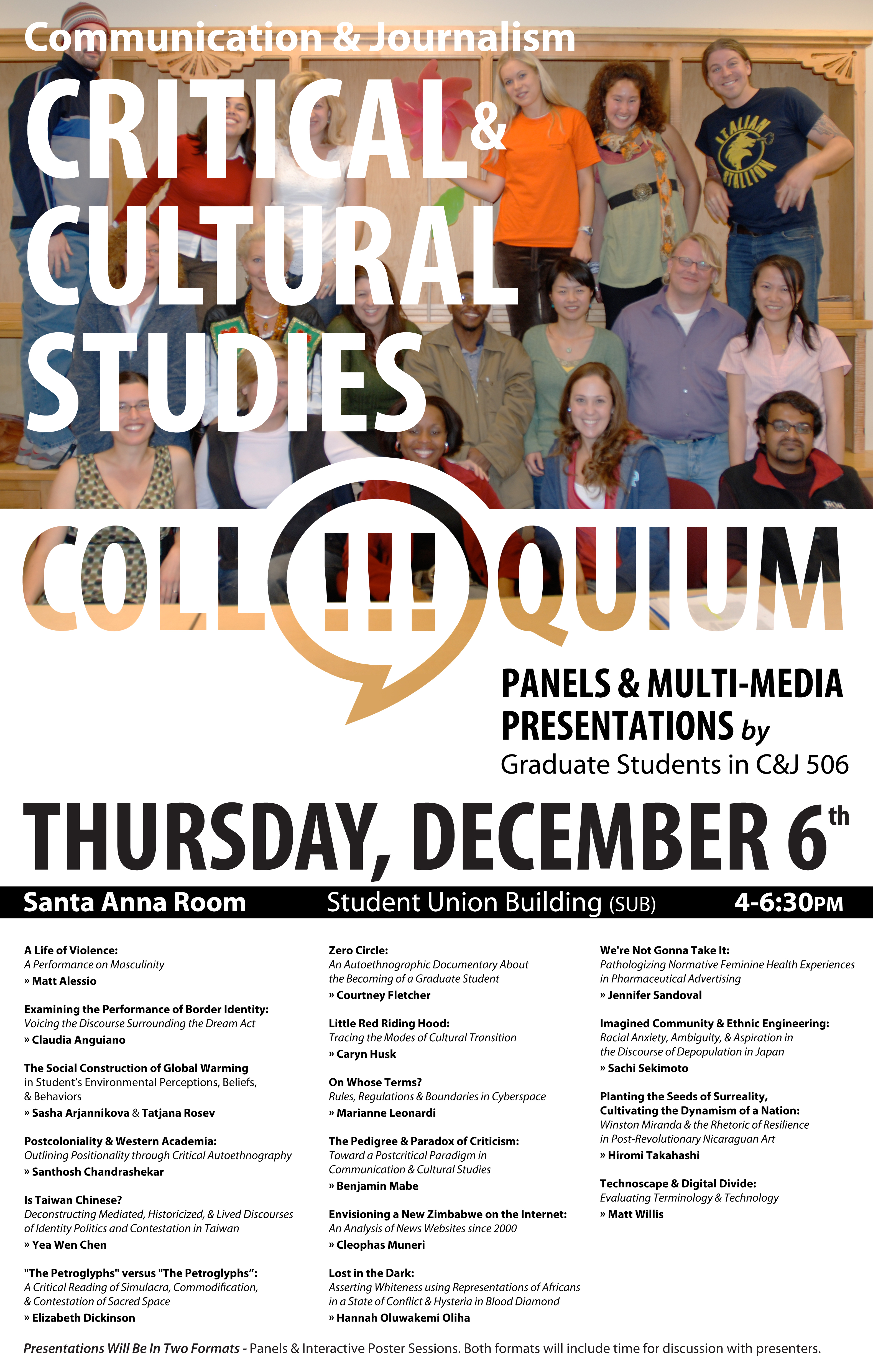
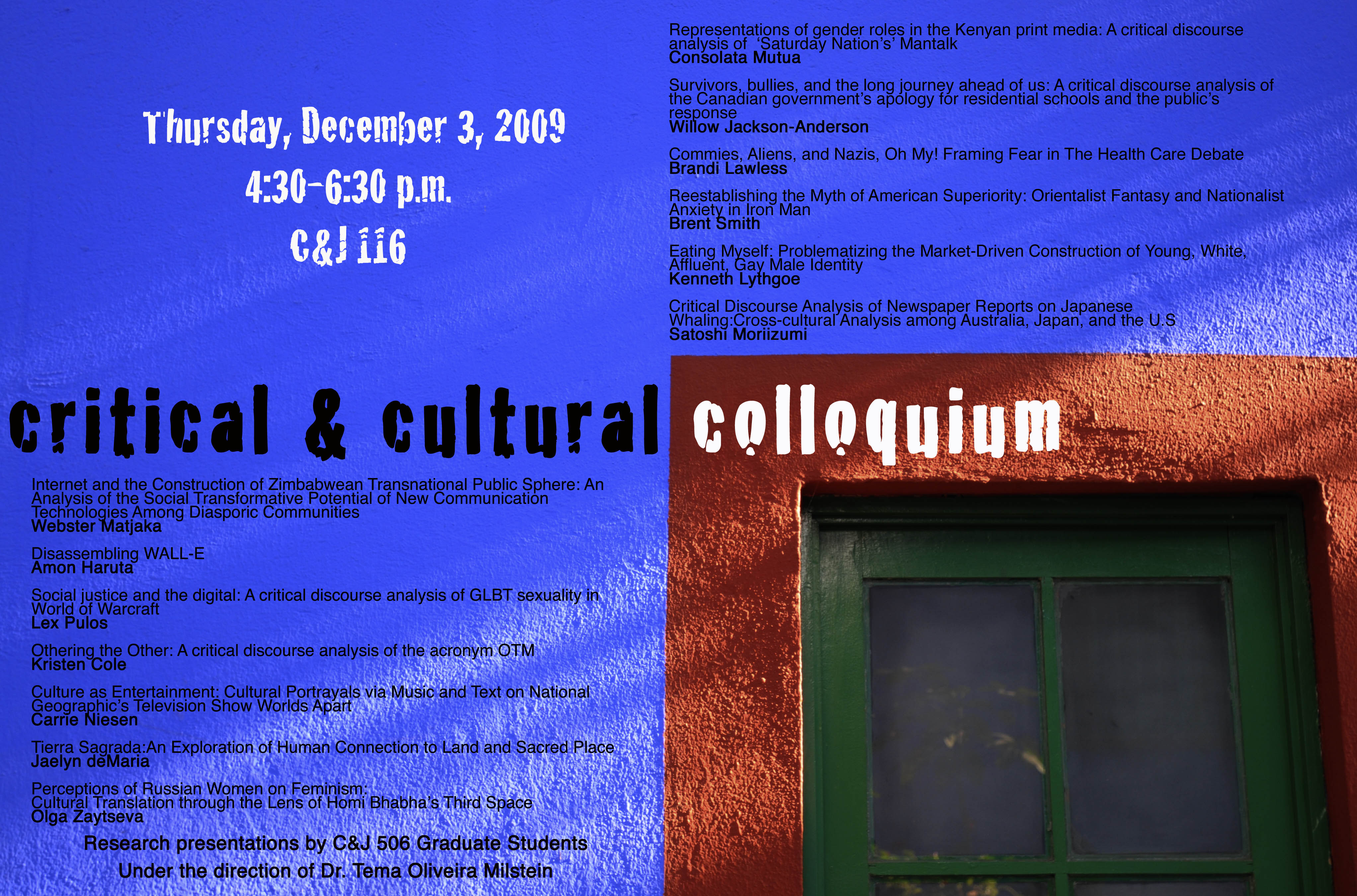
Critical Cultural Studies – Graduate methodology course. Students present final projects in a public colloquium 2007, 2009, 2011.
Language, Thought, and Behavior - Undergraduate course on ways discourse reflects, constitutes, and transforms perception and practice. For examples of student culture jam projects, go here ("How are you... REALLY?") and here ("Take a seat, make a friend").
Intercultural Communication - Undergraduate course dedicated to heightening senstivity to, and understanding of, cultural difference, and to fruitful intercultural outcomes.
Introduction to Communication – Department's introductory course for majors. 100+ students.
Published Works on Teaching and Learning: To access these publications, please go to Academia.edu
• Milstein, T., Pileggi, M., & Morgan, E. (Eds.) (2017). Environmental Communication Pedagogy and Practice. London, UK: Routledge.
• Milstein, T. & Griego, S. (2017). Environmental privilege walk: Unpacking the invisible knapsack. In Milstein, T., Pileggi, M., & Morgan, E. (Eds.), Environmental Communication Pedagogy and Practice. London, UK: Routledge.
• Milstein, T., Alhinai, M, Castro, J., Griego, S., Hoffmann, J, Parks, M., Siebert, M. & Thomas, M. (2017). Breathing Life into Learning: Ecocultural Pedagogy and the Inside-Out Classroom. In Milstein, T., Pileggi, M., & Morgan, E. (Eds.), Environmental Communication Pedagogy and Practice. London, UK: Routledge.
• Milstein, T., & Pulos, A. (2015). Culture jam pedagogy and practice: Relocating culture by staying on one’s toes. Communication, Culture, & Critique, 8 (3), 395-413.
• Milstein, T. (2012). Survive, critique, and create: Guiding radical pedagogy and critical public scholarship with the discursive guideposts of ecopedagogy. Green Theory and Praxis Journal. 6 (1), 3-16.
• Milstein, T. (2012). Greening Communication. In S.D. Fassbinder, A. J. Nocella II & R. Kahn (Eds.), Greening the Academy: Ecopedagogy through the Liberal Arts (pp. 161-174). Rotterdam: Sense Publishers. 2013 Critics Choice Award, American Educational Studies Association.
• Milstein, T. (2007). Learning in the field: Engaging students via experience and application. Ecologue, Fall, 2-4.
Last modified: 4/5/2017